Latest News

The latest news from us here at Soutron. The latest developments in our software solutions, general company updates and press releases can be found below.

Alternatively, access our blog and events page directly. You can also contact our press and media department, should you require any further information about Soutron or the articles published.

Stay informed!

Note: We always respect your privacy. You may unsubscribe at any time.

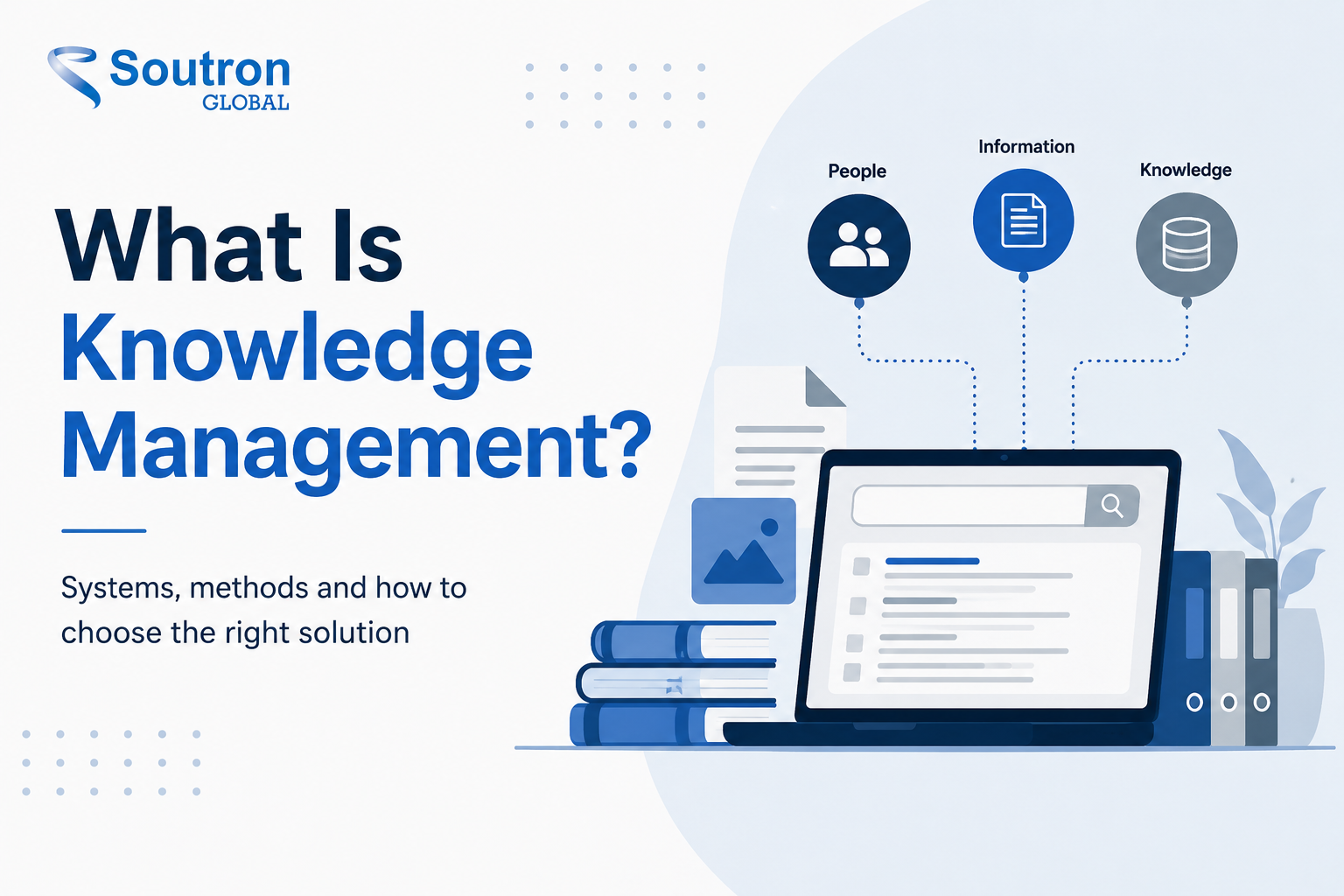
KM system requirements

How to Choose a Legal KM System: Buyer Guide

Selecting the right KM system ensures your firm can capture, organize, and reuse its expertise, improving service consistency, reducing duplicated efforts, and protecting institutional knowledge during staff turnover. Firms with organized knowledge respond faster to clients, enhance efficiency in document drafting and research, and convert tacit knowledge into explicit, reusable assets.
...it doesn't stop at the state line. Through SHAREit's Inter-System Sharing Initiative (ISSI), participating Florida libraries can request and lend with libraries in other states, right from inside SHAREit. No second system to learn, no separate workflow to manage. Participation is opt-in, so every library stays in control of its own lending policies. That last part matters, and it will stay that way. 
...highlights from the library resource sharing webinar panel discussion and audience Q&A, along with a note that attendees unable to join live can view the on-demand recording of the past session.
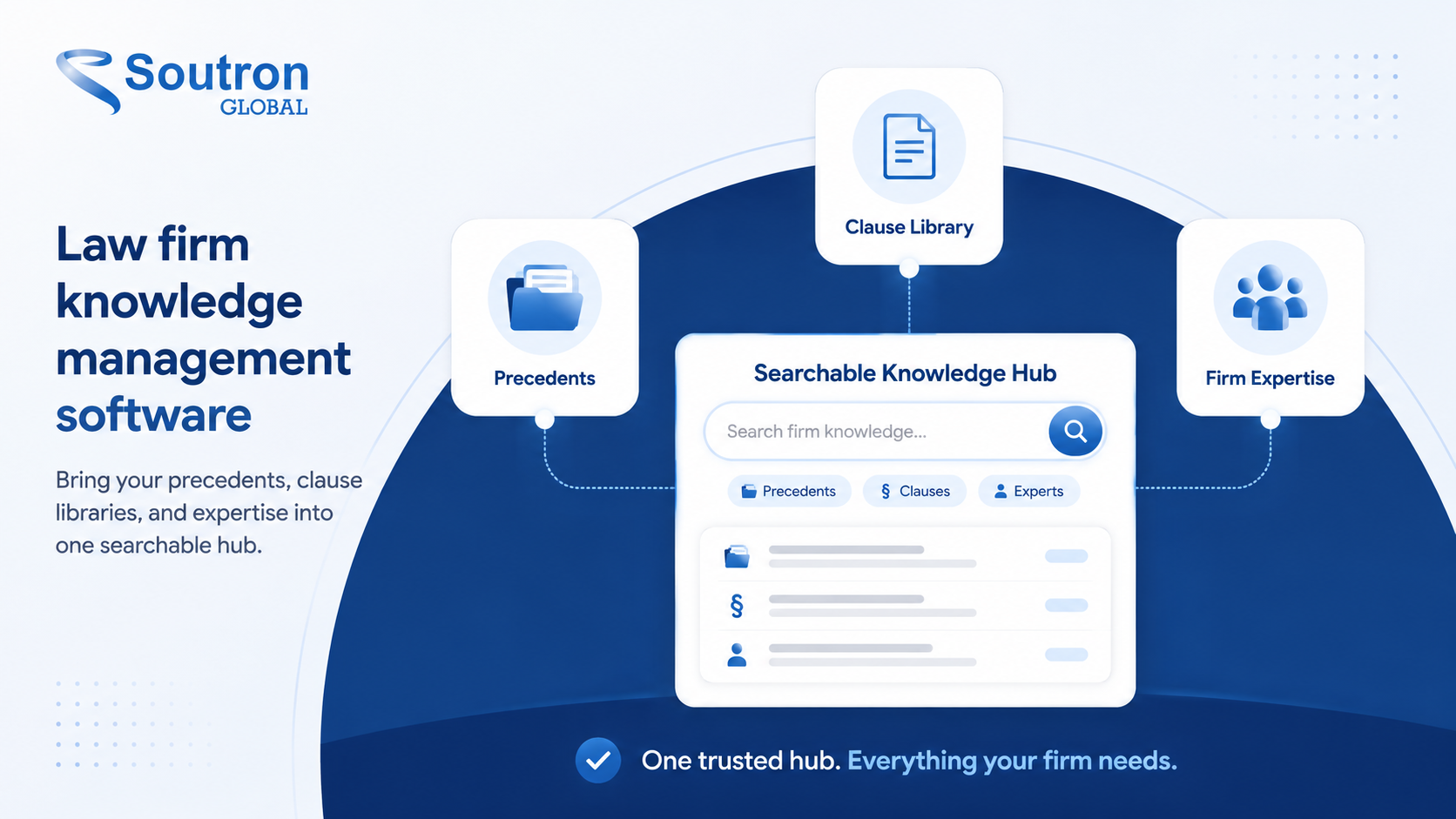
For knowledge lawyers, professional support lawyers, law librarians, legal operations teams, and heads of knowledge management in mid-size to large firms, this guide explains what legal knowledge management includes, where it differs from library and metadata management, which roles typically own it, what to look for in legal knowledge management software, and how to build or improve a practical program.
Attorney searching a law firm's legal precedent bank on a laptop.
At its core, the discipline focuses on identifying valuable work product, refining it for reuse, and making it easy to retrieve when attorneys need it. A document created for one matter is not automatically a precedent. Creating a reusable precedent requires review, generalization, and de-identification so it is prepared for future use rather than tied to a specific client engagement.
Structured system turning curated knowledge collections into measurable ROI
This guide is about making that value visible. It gives special, corporate, legal and research libraries, archives and information teams a practical way to measure knowledge management ROI: a simple formula, a conservative worked example, the metrics that hold up in front of finance, and a free KM ROI calculator so you can run your own numbers.
LibraryManagementSoftware
This guide covers core features, deployment types, real-world examples, selection criteria, and future trends shaping library management. Whether you're a public librarian evaluating your first ILS, a corporate information manager modernizing a special library's trusted data, or an IT administrator comparing deployment options, this library software guide covers what you need to know.
Migrating Management Systems Help and Advice
Data migration and conversion is critical to the success of any new system implementation, irrespective of the size of library. But it’s more than simply “migration”. It’s the opportunity to re-visit data, re-structure data, create relationships and present information in a better way.
Smarter Search
In practice, AI conversational search and metadata-based e-discovery solve different problems. A curated, secure archive or library database using metadata tagging and faceted search helps users identify and access the right assets with precision, delivering what artificial intelligence search cannot, including the most architecturally advanced forms of AI retrieval available today.
Legal ResearchA
This guide discusses modern legal research challenges and workflow takeaways that can be put into practice today to help manage the demand, resources, and complexities of research requests using policies and technology that support both solo and team-based environments.